





New Delhi, Delhi
A large quantity of food items in India gets spoiled every year, causing huge economic loss of billions of rupees to the country. This problem is more serious especially in rural areas due to lack of cold chain. In such a situation, technology company Tan90 has taken a new initiative, which can prove to be revolutionary in improving the economic condition of farmers and fishermen.
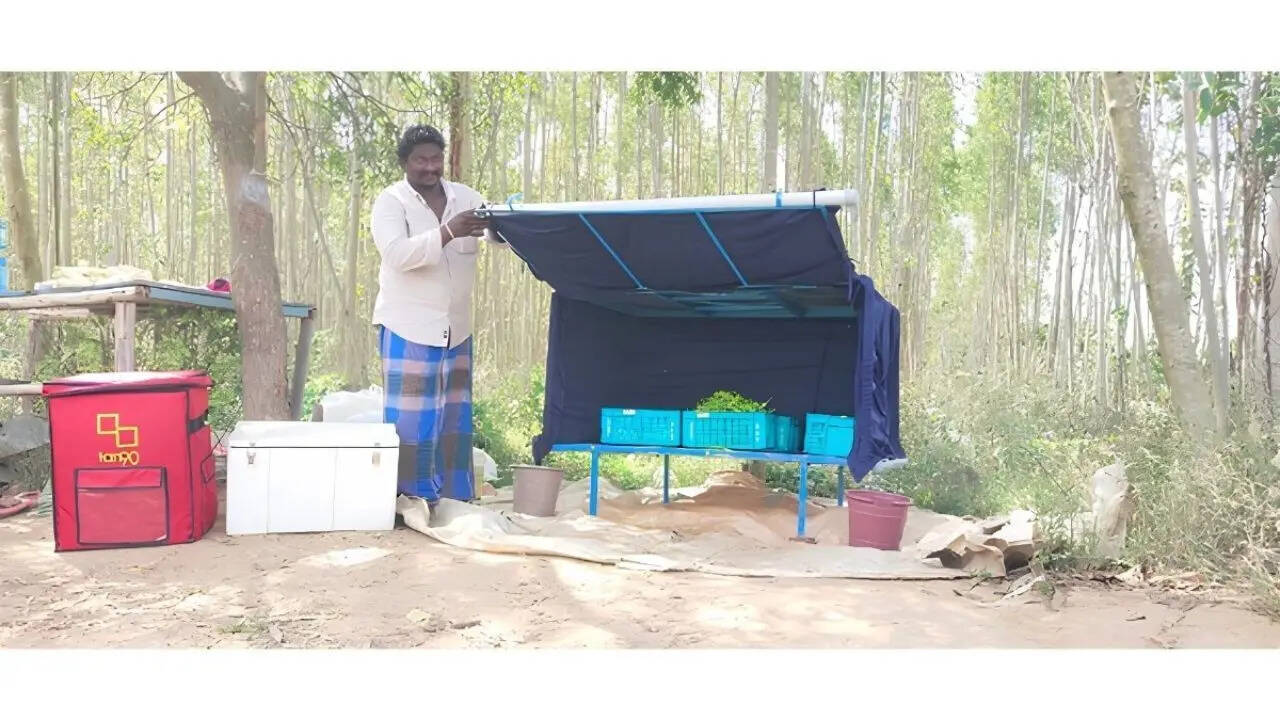
Tan90 has introduced an innovative solution called “Cooling-as-a-Service”, which provides cold storage on-demand using Phase Change Materials. With this model, the food items of farmers and fishermen will be preserved for a longer period, enabling them to get better prices for their produce and avoid wastage.
Phase change materials help in keeping the temperature stable. Tan90’s solution regulates the temperature with the help of these materials, which does not depend on normal electrical energy, so rural areas can enjoy the convenience of cold storage despite the irregularity of electricity.
According to experts, about 30-40% of crop or fishery products get spoiled every year in India. This loss drastically reduces the income of farmers and fishermen, and has far-reaching social and economic impacts. This problem can be effectively overcome and income can be increased by this innovative model of Tan90.
The management of Tan90 said that they have conducted many technical tests and regional surveys to improve this service model, so that the solution can be provided according to the local needs. They hope that this technology will help thousands of farmers and fishermen in the coming years.
Government officials and agriculture experts are also praising this initiative and calling for more investment and cooperation in this direction. The development of cold food chain will not only strengthen the rural economy but will also be beneficial for the food security strategy of the country.
Hence, this Cooling-as-a-Service scheme of Tan90 can be the beginning of an important revolution in the Indian agriculture sector, which will play an important role in economically empowering farmers and fishermen as well as reducing food wastage.
